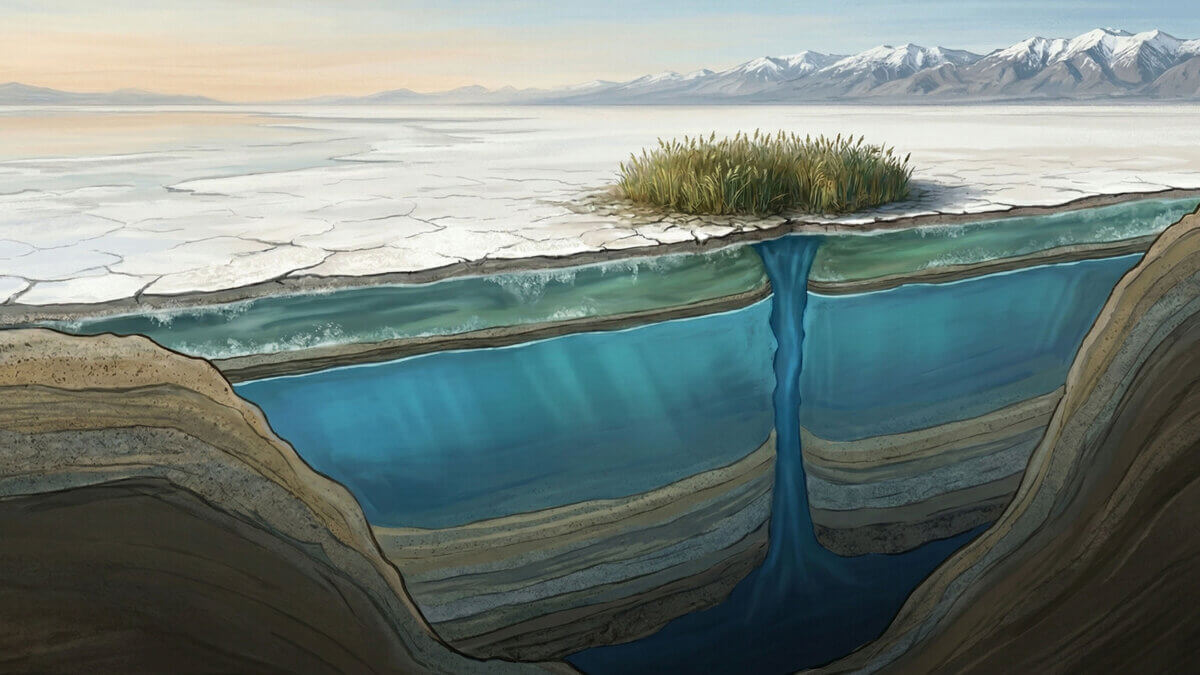
Uncovering a Secret Freshwater Realm Beneath the Great Salt Lake

Exploring Uncharted Wilderness Treks
There’s an undeniable allure to stepping away from familiar surroundings and immersing yourself in nature. Over the years, as I have traveled extensively across remote trails and sun-dappled paths, I’ve come to realize that outdoor adventures offer much more than just scenic beauty. They present a series of tricky parts and tangled issues—moments when the journey itself reveals hidden gifts and unexpected challenges. For anyone with a passion for discovery and a deep love for the natural world, this op-ed is a tribute to the wild outdoors, a personal reflection on journeys made, lessons learned, and the super important gear and insights that have shaped my travels.
Embarking on a new adventure can often feel overwhelming, even downright intimidating when you first set foot in a place where nature governs every twist and turn. However, the rewards of getting lost in uncharted wilderness are plentiful. In this piece, I’ll get into the little details of planning, staying safe, and savoring every moment of your outdoor experiences. Whether you’re a seasoned explorer or a beginner taking your first step into the wild, let’s take a closer look at how you can make the most of nature’s playground.
Understanding Remote Terrain: Getting Into Hidden Complexities
When planning a trip away from the beaten path, it’s essential to poke around about the local geography and environmental conditions. Getting into the mixed bag of fine points in route planning helps turn a simple trek into an epic adventure. The world is filled with places where you can figure a path through lush forests, rugged mountains, and expansive deserts, each offering a unique take on nature’s wonder.
Assessing the Terrain: Tricky Parts and Hidden Complexities
Understanding remote terrain isn’t just about the physical layout of the land—it’s about anticipating those small distinctions that make each adventure unique. Some outdoor excursions require you to work through a series of nerve-racking challenges. For example, crossing unpredictable rivers, climbing steep ridges, or dealing with rapidly changing weather conditions can be both exciting and a bit scary. Here are some tips for assessing what lies ahead:
- Study Maps and Satellite Images: With modern technology at your fingertips, digital maps and satellite images are invaluable tools. They help you get around the natural obstacles and gauge potential risk areas.
- Consult Local Experts: Park rangers, local guides, and seasoned travelers can offer insights that aren’t always apparent in guidebooks. Not only do they know the hidden complexities, but they can also share first-hand experiences of the subtle twists that aren’t captured by standard maps.
- Examine Weather Patterns: Being aware of weather forecasts can save you from a nerve-racking, off-putting experience. Sudden storms, extreme heat, or unexpected cold snaps can all transform an enjoyable trip into a dangerous challenge.
Preparing for these scenarios requires not just careful planning but also a willingness to respect nature’s unpredictable rhythms. Once you’ve digged into the critical details, you’ll feel more confident in your ability to make your way through even the most daunting of environments.
Gear Up: Essential Equipment for Outdoor Adventures
No matter how experienced you are, the importance of carrying the right equipment cannot be overstated. From weather-protective clothing to navigational tools, super important items make the difference between a fun adventure and one that’s filled with unnecessary stress.
The Must-Have Items for Wilderness Expeditions
There are several pieces of equipment every adventurer should pack. Here’s a rundown of gear that helps you conquer nature’s challenges while keeping you safe:
- Quality Footwear: Investing in sturdy and comfortable hiking boots is key. The correct footwear not only improves your mobility on rough terrain but also helps prevent injuries on uneven trails.
- Navigation Tools: Even if you’re relying on modern GPS devices and smartphone apps, a traditional map and compass remain crucial when you need to figure a path in areas with spotty signal coverage.
- Weather-Appropriate Clothing: Layering is a strategy that serves well in unpredictable climates. Packing items that can be added or removed easily ensures that you can manage your body temperature, keeping you comfortable even when the weather shifts unexpectedly.
- First Aid Kit: Accidents can happen, even on the most well-planned trips. Having a well-stocked first aid kit means you’re prepared for minor injuries or sudden medical needs.
- Water and Food Supplies: Hydration is key, and a portable water filter or purification method can prove to be a lifesaver. Additionally, carrying energy-dense snacks can help maintain your strength during long treks.
The list of must-have items can vary depending on where your journey takes you, but taking the time to gather the right gear is an investment in the overall success of your outdoor adventure. Moreover, each piece of equipment you choose plays a role in ensuring that you can take on even the tricky parts of nature without undue worry.
Innovative Outdoor Gadgets: Staying Ahead of Nature’s Twists
Technology has revolutionized how we interact with the outdoors. Today, there are various innovative gadgets designed to enhance safety and convenience while providing real-time data about your surroundings. From solar-powered chargers to multi-tool devices that combine several functions into one compact package, these advanced tools not only make your journey more efficient, they also help you cope with the small distinctions that nature may throw your way.
For instance, a personal locator beacon (PLB) is one such device that can be a critical backup in remote areas. These devices signal for help if you get into trouble, ensuring that rescue teams can find you quickly, even when cell service is unavailable.
Settling in the Wild: Campsites, Lodges, and Tiny Escapes
Accommodations are more than just a place to rest—they form a crucial part of the travel narrative. Whether you choose to mount your own tent beside a babbling brook or book a secluded lodge in the mountains, the options for outdoor lodging vary widely, each with its own charm and set of hidden complexities.
Choosing Your Campsite: Tips for Finding the Perfect Outdoor Haven
There’s something magical about spending a night under the stars. A well-chosen campsite can transform your journey into an unforgettable experience. Here are a few key factors to figure a path to the best camping spot:
- Seclusion and Safety: Balance your need for solitude with the practicality of being in a safe area. Researching the history of the site and reading recent traveler reviews can provide insights into local wildlife activity and any potential hazards.
- Accessibility: Depending on how remote the site is, you may need to make additional arrangements. Look into how accessible the area is by both foot and, if necessary, by car or boat.
- Environmental Impact: Ensure that your chosen campsite follows the principles of Leave No Trace. This not only preserves the environment but also ensures that future travelers can enjoy a pristine natural setting.
The process of finding your camping haven can at times be nerve-racking, especially in an unfamiliar place. However, with a little research and a dose of common sense, you can pinpoint a location that allows you to experience nature raw and unspoiled.
Staying in Rustic Lodges: When Comfort and Nature Meet
Not everyone is up for sleeping on the ground, which is why rustic lodges, cabins, and eco-friendly resorts have become popular accommodations in natural settings. These lodges combine the rugged charm of the outdoors with the super important comforts of modern living. Staying in one of these establishments provides an opportunity to rejuvenate after a long day on the trails while still feeling connected to the natural environment.
Many lodges have adapted to the growing demand for sustainable travel, integrating practices that minimize their ecological footprint. This can include solar panels, water recycling systems, and locally sourced food options—all designed to reduce environmental impact while offering you a unique lodging experience that blends the rustic with the refined.
Local Culture and Nature: Discovering the Spirit of the Land
No travel experience is complete without an immersion into local culture. When you travel to remote wilderness areas, you often find yourself in regions steeped in tradition, where the local way of life is intertwined with the surrounding natural world. The local culture is not only expressed through food and art but also through the delicate balance that communities maintain with their environment.
Connecting with Local Traditions: The Little Details That Matter
Exploring the local culture in remote areas means getting into the fine points of day-to-day life that might seem small at first glance but are, in fact, super important. These details often offer a richer understanding of the region’s heritage and values. Here are some examples of how locals live in harmony with nature:
- Seasonal Celebrations: Many communities host festivals that honor the cycles of nature. Participating in these events not only offers a glimpse into the area’s traditions but also helps you appreciate the seasons and the natural phenomena that govern them.
- Handcrafted Goods: Local artisans often create items from materials sourced directly from nature. Whether it’s hand-woven textiles or carved wooden sculptures, these crafts tell stories of local history and the environment.
- Traditional Cuisine: Dishes prepared with locally foraged ingredients provide a direct connection to the land. Tasting traditional recipes can transform your eating into an adventure that reflects the natural bounty of the region.
By spending time with residents and participating in local practices, you gain insights into the subtle parts of the community and its relationship with the land. These small distinctions can often be the highlight of your journey, lending it a meaningful and personal touch.
Respecting Nature and Local Practices: Working Through Cultural Sensitivities
While it’s exciting to explore new cultures, it’s equally important to remember that many traditions are on edge, sensitive to disruptions that may seem trivial to outsiders. Adopting behaviors that reflect respect and openness can go a long way. Here are some ways to ensure your interactions foster mutual respect:
- Learn Basic Local Expressions: Even a few words in the local language can ease interactions and show that you value the culture.
- Follow Established Customs: Whether it’s removing your shoes before entering a home or observing local dress codes, these gestures go a long way in showing respect.
- Seek Permission: Always ask before taking photographs of people or sacred sites, as what might seem like a simple snap can be seen as intrusive.
Taking the time to appreciate and contribute positively to the local culture enriches your journey, providing layers of personal meaning that resonate far beyond the physical act of travel.
Sustainable Travel Practices: Finding Your Way Through Eco-Friendly Adventures
In today’s world, being mindful of the impact our travels have on the environment is more important than ever. Outdoor enthusiasts increasingly recognize that nature’s playground is not just a venue for adventure; it’s a legacy that must be preserved for future generations. Embracing sustainable travel practices can help minimize the negative impact on pristine environments while still enabling us to enjoy the beauty and thrill of the wild.
Eco-Friendly Travel Tips: Sorting Out the Best Practices
Adopting environmentally responsible behaviors is a must for every traveler. The following tips can help you align your adventures with nature’s needs:
- Minimize Waste: Pack reusable items like water bottles, utensils, and bags. Reducing single-use plastics can significantly decrease the waste generated during your trip.
- Respect Wildlife: Maintain a safe distance from animals, and never feed them. This preserves their natural behavior and safeguards both you and the creatures you encounter.
- Conserve Energy: Whether you’re staying in a lodge or camping, be mindful of your energy consumption. Simple choices, like using solar-powered chargers and turning off unnecessary lights, can make a big difference.
- Support Local Economy: Choose locally-owned accommodations and eateries. Not only does this bolster the local community, but it also provides you with authentic experiences you wouldn’t get from international chains.
By sorting out these eco-friendly practices, you not only protect the environment but also help sustain local cultures and economies. These choices underscore a broader commitment to responsible travel and ensure that your adventures are as enriching for future explorers as they are for you.
Understanding the Fine Points of Eco-Tourism: Practical Steps to a Greener Journey
To truly embrace sustainable travel, it’s important to get into the little details that make eco-tourism effective. Every aspect of your travel decisions—be it choosing a low-impact campsite or supporting conservation efforts—plays a part in preserving nature’s delicate balance. Some practical steps include:
- Researching Eco-Certified Providers: Look for lodgings and tour operators that have been certified for their sustainable practices. Verification from independent organizations can be a strong signal that they are committed to reducing their environmental impact.
- Participating in Local Conservation: Many regions offer volunteer opportunities related to wildlife preservation or habitat restoration. Not only are these experiences heartening, but they also provide you with a chance to give back to the environment.
- Offsetting Carbon Footprint: Consider contributing to carbon offset programs if your travel involves significant greenhouse gas emissions. This super important step can help balance out the environmental costs of your journey.
Each small decision contributes to a larger picture—a responsible travel ethos that acknowledges the interwoven nature of human interaction with the environment. By being mindful of your choices, you’re taking an active role in conserving some of the world’s most treasured landscapes.
The Role of Technology in Enhancing Outdoor Experiences
While much of our interaction with nature has a timeless quality, modern technology continues to transform how we explore and appreciate the outdoors. From apps that help you track your progress on a trail to devices that monitor weather changes in real time, technology is becoming an indispensable travel companion.
High-Tech Tools: Digging Into the Subtle Parts of Outdoor Navigation
For many travelers, technology acts as both a guide and a safety net. A combination of smart gadgets can demystify some of the confusing bits of outdoor navigation. Consider the following innovations:
- GPS Trackers and Apps: Smartphone apps now offer detailed maps that can help you find your way through unfamiliar paths. These tools are especially useful when you’re trying to steer through the tricky parts of a dense forest or rugged mountain terrain.
- Weather Prediction Tools: Real-time weather updates provided by mobile apps ensure that you can monitor conditions at your location. Being aware of slight differences in the forecast can help you plan and adjust your itinerary on the fly.
- Wearable Technology: Devices such as smartwatches and fitness bands not only track your health metrics but can also offer navigation assistance and emergency alerts, providing that extra layer of security during challenging treks.
Using these tools effectively means understanding that technology is there to supplement your own skills and intuition. While it can help you dig into the essential details of any adventure, nothing replaces the satisfaction of figuring a path on your own, guided by the natural world around you.
Digital Resources for Finding Hidden Outdoor Gems
The internet is a treasure trove of information for anyone looking to embark on a nature-filled adventure. Numerous websites and forums are dedicated to sharing experiences, tips, and reviews of remote trails and hidden spots. Whether you are looking for obscure hiking trails, off-the-beaten-path tourist spots, or insider tips from locals, these digital resources can be super important in planning your journey.
Online communities often provide insights into the little twists and subtle parts of the travel experience that traditional guidebooks might overlook. In many cases, seasoned travelers share maps that include less-known shortcuts and details about conditions that can help you steer through the less predictable parts of your expedition.
Personal Reflections: The Transformative Power of Outdoor Escapades
My own adventures in the wild have been a series of interconnected journeys, where every path taken has added layers to my understanding of both the natural world and myself. There’s something deeply transformative about spending time away from the urban hustle, where the only interruptions are the calls of wildlife and the rustle of leaves in the wind.
Moments of Solitude: Embracing the Peace of Remote Places
One of the most cherished aspects of my travels has been the opportunity to embrace solitude in nature. These quiet moments, filled with the simple sounds of the outdoors, offer a respite from the constant connectivity of modern life. Whether you’re camping under a canopy of stars or spending a silent morning by a pristine lake, these experiences provide an insight into the super important benefits of disconnecting and enjoying the present moment.
The challenges of figuring out your route or managing your resources along the way often fade into the background once you’re surrounded by nature’s open arms. Instead, what remains is a profound sense of freedom—a feeling that no matter how tangled or overwhelming the journey can seem, every step brings you closer to a clearer understanding of yourself and the world around you.
Overcoming Challenges: Learning From Every Nerve-Racking Moment
Every trip presents its own set of challenges—times when the landscape’s tricky parts force you to re-think your approach and adapt quickly. I remember a particular journey in a rugged highland region where rapid weather changes and steep ascents tested not only my physical endurance but also my resolve. Each nerve-racking moment, though filled with tension, was an opportunity to acquire new skills and insights.
Here are some lessons I’ve learned during these more challenging adventures:
- Patience Is Key: Whether waiting out a sudden downpour or taking time to carefully choose your route, patience can often be the difference between a safe return and a stressful ordeal.
- Adaptability: Being ready to change your plans or take a detour when conditions worsen is one of the subtle details that can keep you out of harm’s way. Flexibility in planning helps you respond to nature’s unexpected shifts without fear.
- Self-Reliance: There is immense satisfaction in knowing that you can depend on your own preparation and instincts. Each difficult situation faced in the wild builds up your confidence and readiness for future journeys.
In facing these challenges head-on, you discover the inner strength that lies within, a reservoir of resolve that continuously grows with every trip you undertake.
Planning Your Next Expedition: A Practical Guide to Outdoor Adventures
As you consider your next journey into nature, it’s important to weave together all the tips, experiences, and insights gathered along the way. Whether it’s a weekend getaway to a local park or a month-long expedition into a foreign wilderness, careful planning and an open heart are your best companions.
Step-by-Step Trip Preparation: From Setting Goals to Final Checks
Starting with clear goals and a flexible itinerary can set your trip up for success. Here’s a practical checklist designed to help you sort out the planning process:
| Step | Description |
|---|---|
| Research Destination | Gather detailed information about the terrain, climate, local culture, and seasonal events. |
| Plan Your Route | Figure a path using maps and GPS tools, and consult expert advice to understand the tricky parts of the area. |
| Prepare Equipment | Ensure you have all the super important gear, from sturdy footwear to navigation tools and sustainable supplies. |
| Emergency Plans | Set up protocols for unexpected weather changes or injuries, including information on the nearest rescue services. |
| Local Engagement | Learn about the local customs and connect with residents to enrich your travel experience. |
Breaking down the planning process into manageable steps helps reduce the overwhelming bits often associated with organizing a trip. It also reinforces the idea that every journey, no matter how daunting it seems initially, can be conquered with a bit of research, the right tools, and a positive mindset.
Budgeting and Reserving: The Financial Side of Remote Travels
While the heart of adventure lies in the experiences, the practical aspects—such as budgeting and reservations—are equally important. Being financially prepared enables you to focus on the extraordinary aspects of your journey rather than getting tangled up in last-minute issues. Consider the following points:
- Travel Insurance: This is a super important safety net that can help cover unforeseen circumstances during your journey.
- Local Currencies and Payment Methods: In remote areas, cash might be the only accepted form of payment. Ensure you have enough local currency and understand the costs associated with your travels.
- Advance Reservations: For popular spots or well-known lodges, booking in advance can save you from the stress of finding on-the-spot accommodations after a long day on the trail.
By taking the time to work through these details, you set the stage for a smooth, fulfilling adventure where you can focus on the beauty of nature and the thrill of exploration.
Conclusion: Embracing the Journey, One Step at a Time
In the end, travel is as much about the journey as it is about the destination. The wild outdoors, with all of its tricky parts, delicate details, and occasional nerve-racking moments, offers endless opportunities to experience life fully and authentically. Whether you’re setting up camp by a quiet stream, trekking through untamed forests, or conversing with locals who have deep ties to the land, every adventure enriches your perspective on both nature and yourself.
As you prepare for your next outdoor expedition, remember that thorough planning, respectful engagement with local cultures, and smart use of technology can all help you get around any obstacles you may encounter. Embrace every challenge, knowing that each twist and turn is a step toward personal growth and an even greater appreciation for our planet’s natural beauty.
My hope is that this op-ed inspires you to take that leap into the wild—to plan your trip, pack your gear, and set out on a journey where every moment matters. The landscape is vast, the experiences are profound, and the lessons learned along the way are super important in shaping who we are as travelers and as human beings. So, lace up your boots, grab your map, and get ready to figure a path through one of nature’s finest playgrounds. Your next unforgettable adventure awaits.
Originally Post From https://scitechdaily.com/scientists-just-discovered-a-hidden-freshwater-world-beneath-the-great-salt-lake/
Read more about this topic at
5 Reasons Your Article Got Rejected | by Kelly Eden
Why Lack of Depth In Article Writing Drives Us All Crazy

